


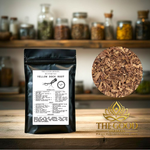
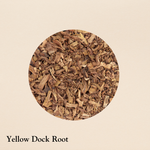
Yellow Dock Root (per oz.)
Category: Loose Leaf Tea, Teas, TGS Botanicals
Yellow Dock Root
Rumex crispus
Yellow Dock Root is a time-honored botanical with a rich history in traditional foodways, herbal preparations, and spiritual practices. Known for its earthy bitterness and grounding character, this root has been valued across cultures as both a functional culinary herb and a powerful ally in renewal-focused rituals.
Carefully dried and cut, our Yellow Dock Root retains its natural color, integrity, and robust plant essence—making it ideal for teas, decoctions, and intentional botanical use.
Culinary & Traditional Food Use
Yellow Dock Root has long appeared in traditional diets and folk preparations where bitter roots were appreciated for their depth of flavor and mineral symbolism.
Common food-use traditions include:
• Herbal teas and long-simmered decoctions
• Bitter botanical blends
• Traditional root-based infusions
• Culinary experimentation with ancestral plant foods
Its bold, earthy profile pairs well with other roots and warming spices in slow-prepared herbal beverages.
Spiritual & Ritual Use
In spiritual and energetic traditions, Yellow Dock Root is associated with grounding, clearing, and renewal. Its deep root energy makes it a favorite for practices centered on release, strength, and personal restoration.
Often used in:
• Spiritual baths and floor washes
• Cleansing and renewal rituals
• Charm bags and intention work
• Root-based ceremonial blends
• Grounding practices and altar work
Yellow Dock Root is especially valued in rituals focused on removing stagnant energy and reinforcing inner stability.
Botanical Details
• Common Name: Yellow Dock Root
• Botanical Name: Rumex crispus
• Plant Part: Root
• Form: Dried, cut & sifted
• Flavor Profile: Earthy, bitter
• Sold by weight
Storage & Care
Store in a cool, dry place away from direct sunlight. Keep sealed to preserve freshness and potency.
Important Notes
• Intended for culinary, spiritual, and educational use
• Consult a qualified professional before extended use
• Not recommended during pregnancy or nursing
• Statements reflect traditional use and cultural knowledge
• Not evaluated by the FDA
Domestic deliveries ship within 2 days and international deliveries ship within 5 days.
Free domestic shipping for purchases of $130 or more. International shipping is available at cost. Returns are accepted for most products under certain conditions within 30 days of purchase.


